


Vitamin C has become one of the most popular ingredients in skincare, and for good reason.

Vitamin C has become one of the most popular ingredients in skincare, and for good reason.
From dull-looking skin and uneven skin tone to dark spots and early signs of ageing, Vitamin C is often recommended for people looking to achieve a brighter, healthier-looking complexion.
But once you decide to add a Vitamin C serum to your routine, another question comes up.
Should you use Vitamin C serum in the morning or at night?
Some people prefer applying it in the morning before sunscreen. Others believe nighttime is better because the skin naturally undergoes repair processes while we sleep.
So, does the timing actually make a difference?
The short answer is that Vitamin C can be used both in the morning and at night. However, morning application has certain advantages, particularly when it comes to protecting your skin against everyday environmental stress.
Let's understand why.
What Does Vitamin C Serum Actually Do for Your Skin?
Before deciding when to apply Vitamin C, it helps to understand what this ingredient does.
Vitamin C is an antioxidant that helps neutralise free radicals. These unstable molecules can form when your skin is exposed to environmental factors such as UV radiation and pollution.
Over time, oxidative stress can contribute to visible signs of skin ageing, dullness and uneven skin tone.
When used consistently, a suitable Vitamin C serum may help:
- Improve the appearance of dull-looking skin
- Support a brighter, more even-looking complexion
- Reduce the appearance of certain dark spots over time
- Support the skin's natural collagen production
- Provide antioxidant protection against environmental stress
- Improve the appearance of early signs of ageing
However, Vitamin C isn't an overnight solution.
Its effectiveness depends on the formulation, concentration, consistency of use and how well your skin tolerates it.
1. Why Using Vitamin C Serum in the Morning Makes Sense
If you've noticed that Vitamin C is frequently recommended for morning skincare routines, there's a reason behind it.
Throughout the day, your skin is exposed to sunlight, pollution and other environmental stressors.
These factors can contribute to oxidative stress, which may affect the skin's appearance over time.
Vitamin C helps neutralise free radicals, making it a useful addition to a daytime skincare routine.
Vitamin C can complement your sunscreen by providing additional antioxidant support.
Vitamin C is not a replacement for sunscreen.
Even if you're applying a Vitamin C serum every morning, you still need broad-spectrum sun protection to help protect your skin from harmful UV radiation.
How to Use Vitamin C Serum in the Morning
Your morning skincare routine doesn't need to become complicated.
A simple approach can include:
- Cleanse your face with a gentle cleanser.
- Apply your Vitamin C serum to clean, dry skin.
- Follow with a moisturiser suited to your skin type.
- Finish with broad-spectrum sunscreen.
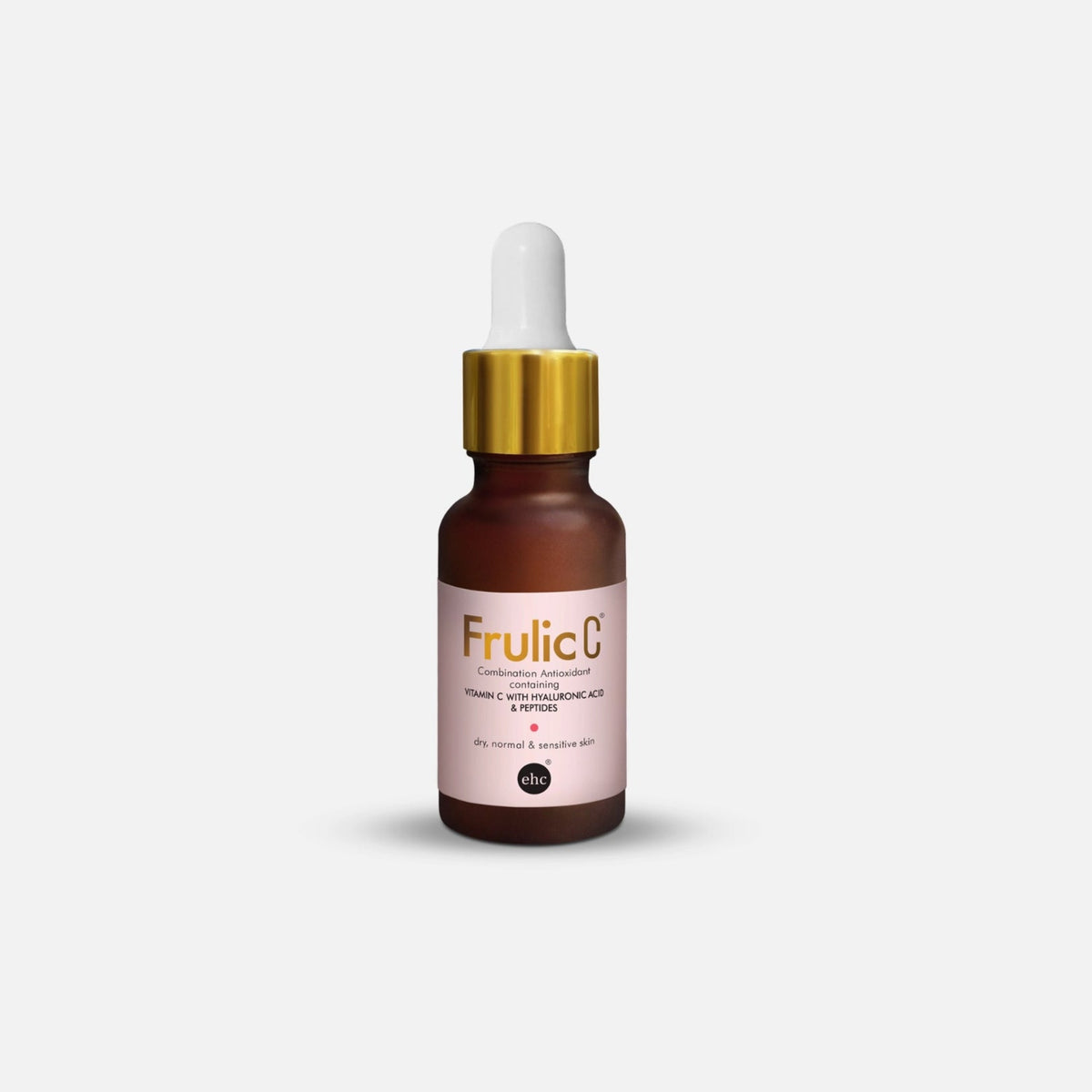
For those looking to introduce Vitamin C into their skincare routine, Essentials Frulic C Serum contains 15% Vitamin C, 1% Hyaluronic Acid and 1% Collagen Peptides.
Its formulation is designed to support brighter-looking skin while providing antioxidant care.
According to the product's usage directions, Frulic C Serum is recommended for morning application after cleansing, using 4–5 drops on dry skin.
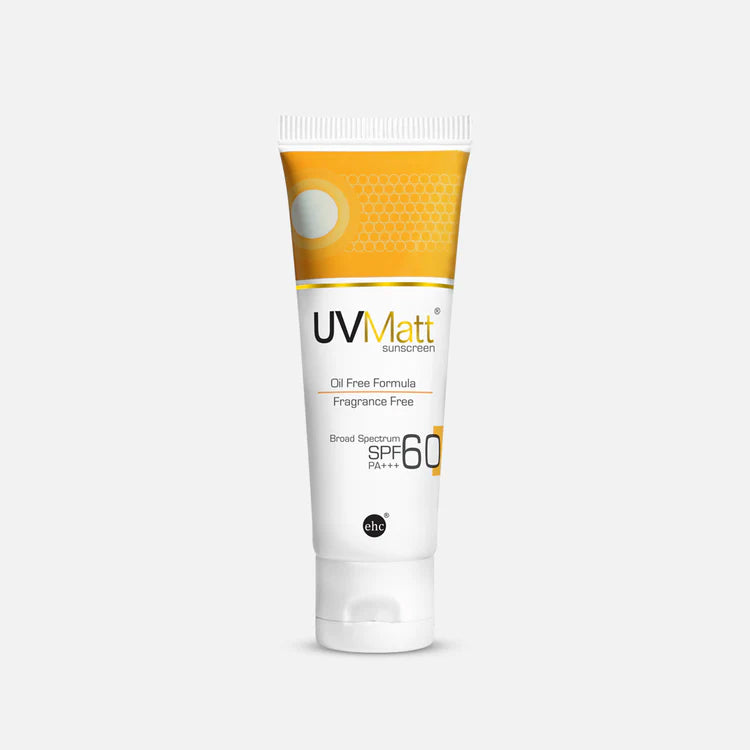
For daytime sun protection, Essentials UV Matt SPF 60 can be incorporated as the final step in your morning skincare routine.
The goal isn't to layer as many products as possible.
It's to build a routine that supports your skin and that you can follow consistently.
2. Can You Use Vitamin C Serum at Night?
Absolutely.
Although Vitamin C is commonly associated with morning skincare routines, that doesn't mean the ingredient stops being useful after sunset.
Vitamin C can also be incorporated into an evening routine, depending on the product formulation and its recommended directions.
Nighttime application may be convenient for people who prefer keeping their morning skincare simple or don't enjoy layering multiple products underneath makeup and sunscreen.
However, there's a common misconception worth addressing.
Vitamin C doesn't automatically become more effective simply because you apply it before sleeping.
While your skin undergoes natural maintenance and renewal processes overnight, there isn't a general rule that makes nighttime Vitamin C application superior.
Its effectiveness depends more on the formulation, consistency of use and your skin's tolerance.
How to Use Vitamin C Serum at Night
For a Vitamin C product that is suitable for evening use, a simple routine may include:
- Remove makeup and sunscreen properly.
- Cleanse your face.
- Apply the Vitamin C serum according to its directions.
- Follow with a suitable moisturiser.
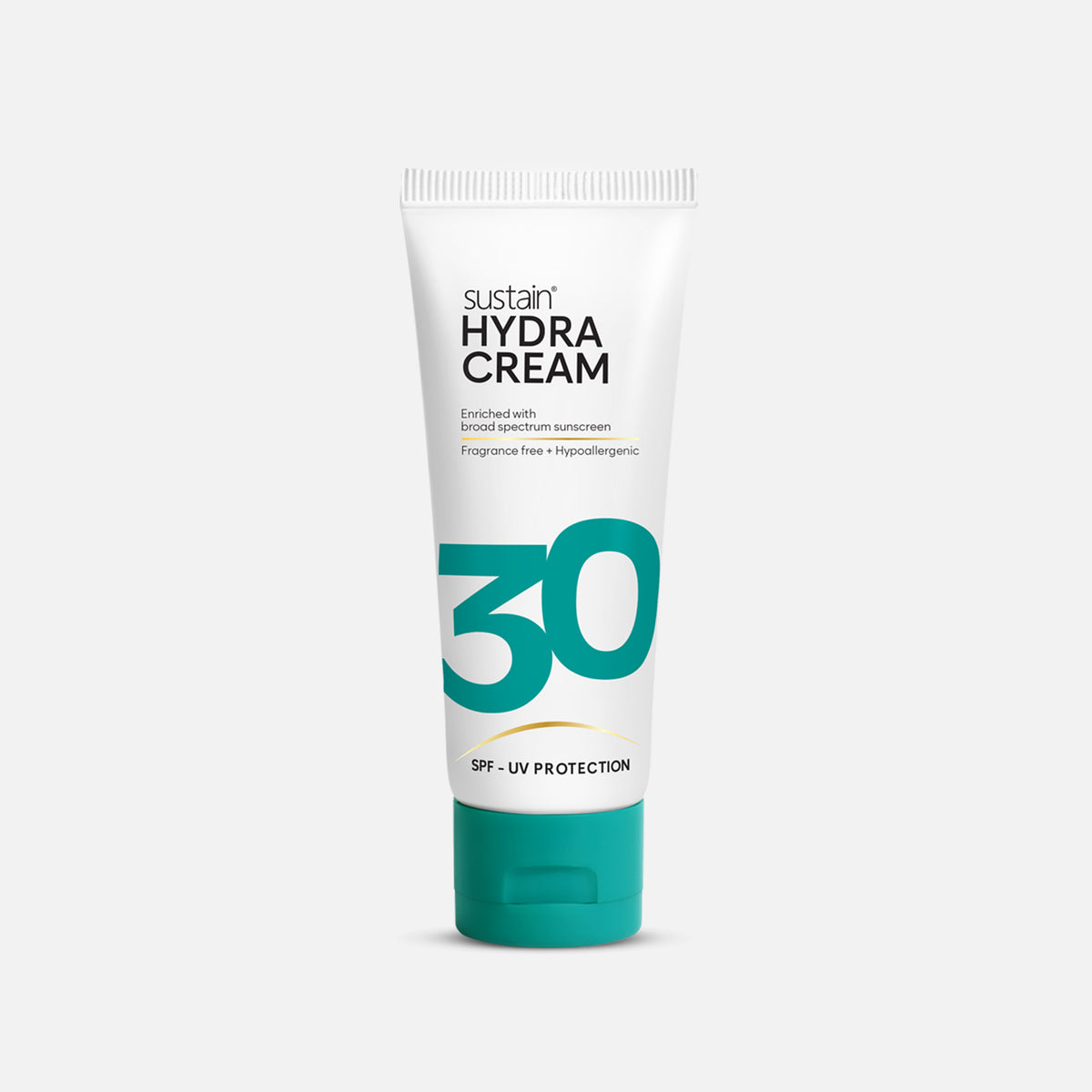
If your skin tends to feel dry or dehydrated, a moisturiser such as Essentials Sustain Hydra Cream can be incorporated into your routine to support hydration.
However, it's important to follow the directions of your specific Vitamin C product.
For example, Essentials Frulic C Serum is recommended for morning use, so it's best to follow that guidance rather than automatically adding it to both routines.
3. Morning vs Night: Is One Actually Better?
Here's where things become interesting.
Both morning and nighttime application can work, but they offer slightly different practical advantages.
Morning Application
- Provides antioxidant support during daytime environmental exposure
- Complements a sunscreen-focused skincare routine
- Fits naturally into a routine designed to protect the skin during the day
- May be particularly convenient for people focusing on dullness and uneven skin tone
Nighttime Application
- Fits into an evening skincare routine
- May be more convenient for people who prefer minimal daytime skincare
- Can work well when the product is specifically suitable for nighttime use
- Allows people to separate certain skincare ingredients between morning and evening
For many people, morning application is a sensible choice because of Vitamin C's antioxidant properties and its complementary role alongside sunscreen.
However, if your Vitamin C product is suitable for evening application and nighttime use helps you remain more consistent, that can also be an option.
The most important thing is to follow your product's directions and choose a routine that works for your skin.
4. Can You Use Vitamin C Serum Twice a Day?
Technically, some Vitamin C formulations can be used both morning and night.
But that doesn't mean everyone needs to.
Using a serum more frequently won't necessarily produce faster or better results.
Depending on its concentration and formulation, Vitamin C may cause dryness, stinging or irritation in some individuals, particularly those with sensitive skin.
If you're new to Vitamin C, introduce it gradually and observe how your skin responds.
You can begin with less frequent application if appropriate for the product, then adjust according to its instructions and your skin's tolerance.
For Essentials Frulic C Serum, the recommended routine is once in the morning.
There's no need to increase application frequency simply because you want faster results.
Remember, more skincare doesn't always mean better skincare.
5. Can You Use Vitamin C Serum with Other Skincare Ingredients?
This is another area where people often become confused.
You may have heard that Vitamin C shouldn't be combined with certain skincare ingredients.
But compatibility isn't always that simple.
It depends on the specific formulations, concentrations and sensitivity of your skin.
Vitamin C and Hyaluronic Acid
These ingredients can generally be used together.
Hyaluronic acid is commonly used to support hydration, while Vitamin C provides antioxidant benefits.
Together, they can fit into a skincare routine focused on hydration and improving the appearance of dull-looking skin.
In fact, Essentials Frulic C Serum combines Vitamin C with Hyaluronic Acid in a single formulation.
Vitamin C and Niacinamide
Contrary to a popular skincare myth, Vitamin C and niacinamide aren't automatically incompatible.
Many modern skincare formulations allow these ingredients to be incorporated into the same routine.
However, if you're using separate products, pay attention to how your skin responds.
Vitamin C and Retinol
Both ingredients can be useful in skincare, but introducing them together may increase the likelihood of irritation for some people.
A practical approach is to use Vitamin C in the morning and retinol at night, particularly if you're trying to keep your routine manageable.
If you're using prescription retinoids, follow your dermatologist's instructions.
Vitamin C and Exfoliating Acids
Using Vitamin C alongside strong exfoliating acids may increase irritation for some individuals.
If your routine already contains ingredients such as glycolic acid or salicylic acid, avoid introducing several new active products at once.
It's better to understand how your skin responds to one product before adding another.
6. Common Mistakes to Avoid When Using Vitamin C Serum
Even a good skincare product may not deliver the experience you're hoping for if it's used incorrectly.
Here are some common mistakes worth avoiding.
Applying Too Much Serum
Using more product doesn't automatically mean better results.
Follow the recommended amount rather than applying excessive layers.
For Essentials Frulic C Serum, the recommended amount is 4–5 drops.
Expecting Overnight Results
Vitamin C may help improve the appearance of dullness and uneven skin tone, but visible changes generally take time.
Consistency over several weeks or longer is more realistic than expecting immediate results.
Skipping Sunscreen
This is particularly important if you're using Vitamin C to address uneven skin tone or pigmentation.
Sun exposure can contribute to pigmentation concerns, making daily sunscreen an important part of your skincare routine.
Using Too Many Active Ingredients Together
Combining multiple strong skincare products without considering their formulations can leave your skin feeling irritated.
If your skin becomes uncomfortable, simplify your routine instead of adding more products.
Storing Your Serum Incorrectly
Vitamin C can be sensitive to factors such as air, light and heat, depending on its formulation.
Always follow the manufacturer's storage instructions.
If you notice significant changes in the product's colour, smell or texture, check its expiry date and packaging guidance before continuing to use it.
7. How Long Does Vitamin C Serum Take to Show Results?
This depends on what you're trying to improve.
Some people may notice that their skin looks more hydrated or refreshed relatively quickly, although this can also be influenced by other ingredients in the formulation.
Changes in the appearance of dark spots, uneven skin tone and fine lines generally require more time.
Results can vary depending on:
- The type and concentration of Vitamin C
- The serum's overall formulation
- Your skin type and existing concerns
- How consistently you use the product
- Your daily sun protection habits
If pigmentation is your main concern, remember that some types of dark spots are more persistent than others.
Vitamin C can support a pigmentation-focused skincare routine, but it isn't a guaranteed solution for every type of discolouration.
For persistent or worsening pigmentation, consult a dermatologist to identify the underlying cause.
8. Who Should Consider Adding Vitamin C Serum to Their Routine?
Vitamin C can be a useful addition for people looking to address concerns such as:
- Dull-looking skin
- Uneven skin tone
- The appearance of certain dark spots
- Early visible signs of ageing
- Environmental oxidative stress
However, not every skin type responds to Vitamin C in the same way.
Some formulations may be too strong for sensitive or easily irritated skin.
If you're introducing Vitamin C for the first time, patch-testing and starting gradually can help you understand how your skin responds.
And if your skin is currently experiencing significant irritation, it may be better to focus on a gentle, supportive skincare routine before introducing additional active ingredients.
9. What Should Your Vitamin C Skincare Routine Look Like?
You don't need an elaborate ten-step routine to incorporate Vitamin C.
For most people, a simple approach is easier to maintain.
Morning Routine
- Cleanse: Wash your face with a gentle cleanser suited to your skin type.
- Apply Vitamin C: Use 4–5 drops of Essentials Frulic C Serum on clean, dry skin, following the product's directions.
- Moisturise: Apply a suitable moisturiser if needed.
- Protect: Finish with Essentials UV Matt SPF 60 or another suitable broad-spectrum sunscreen.
Evening Routine
- Remove makeup and sunscreen properly.
- Cleanse your face.
- Apply any regular treatment products your skin already tolerates.
- Moisturise to keep your skin comfortable and hydrated.
For dry or dehydrated skin, Essentials Sustain Hydra Cream can be considered as part of your moisturising routine.
There's no need to introduce several new skincare products at once.
The most important thing is to maintain a routine that suits your skin's needs.
10. What If Your Skin Doesn't Tolerate Vitamin C?
Vitamin C can be beneficial, but that doesn't mean every formulation will suit every skin type.
Some people may experience mild tingling when introducing a new serum, while others may develop noticeable irritation.
If you experience persistent burning, redness, itching or discomfort, stop using the product.
Avoid trying to push through significant irritation simply because you've heard that Vitamin C is good for the skin.
You may need a different formulation, a lower concentration or professional advice about which ingredients are suitable for your skin.
Skincare should support your skin, not leave it feeling constantly uncomfortable.
The Bottom Line
So, is Vitamin C serum better in the morning or at night?
Both can work, but morning application has a practical advantage.
Vitamin C provides antioxidant support that can complement your sunscreen during the day, making it a useful addition to a morning skincare routine.
Nighttime application is also possible with formulations intended for evening use, but it isn't automatically more effective.
For those using Essentials Frulic C Serum, the recommended approach is to apply it in the morning after cleansing and follow with suitable sun protection such as Essentials UV Matt SPF 60.
The best skincare routine isn't necessarily the one with the most products. It's the one you can follow consistently.
Explore Essentials Products Mentioned in This Guide
Keep Your Vitamin C Routine Simple
Follow your product directions, moisturise as needed and finish your morning routine with broad-spectrum sun protection.
Explore Frulic C Serum