


You notice a brown patch on your cheek. Or maybe a dark spot is still sitting exactly where a pimple disappeared weeks ago. Is it melasma? A dark spot? An acne mark?
Although these concerns can look similar, they don't always develop for the same reasons. Understanding what you may be dealing with can make it easier to build a skincare routine that actually addresses your concern instead of treating every form of pigmentation in exactly the same way.

Here’s how to tell the difference.
What Is Melasma?
Melasma is a type of hyperpigmentation that usually appears as brown, tan, grey-brown or sometimes bluish-grey patches on the skin.
Unlike a single dark spot, melasma often develops in larger, irregular patches and commonly appears on both sides of the face. The cheeks, forehead, nose, chin and area above the upper lip are some of the most common areas affected.
Sun exposure can make melasma more noticeable, which is why daily sun protection is particularly important when dealing with this type of pigmentation.
How Can You Recognise Melasma?
Melasma may be more likely if:
- The pigmentation appears in larger patches rather than individual spots.
- Similar patches appear on both sides of your face.
- It commonly affects your cheeks, forehead, upper lip, nose or chin.
- The pigmentation becomes more noticeable after sun exposure.
- There wasn't necessarily a pimple or injury in that exact area beforehand.
Melasma can sometimes resemble other pigmentation concerns, so if you are unsure, a dermatologist can properly assess the skin and confirm the diagnosis.
What Are Dark Spots?
“Dark spots” is a broad term rather than one specific skin condition.
They are areas of skin that appear darker than the surrounding complexion because of increased pigmentation. They can develop for several reasons, including sun exposure, inflammation, hormonal changes or previous skin irritation.
This means that both melasma and post-acne marks can technically fall under the wider category of hyperpigmentation.
The important question isn't simply, “Do I have dark spots?”
It's why those dark spots developed in the first place.
What Are Acne Marks?
If a pimple disappears but leaves a flat brown, grey, red or pink mark behind, you may be looking at a post-acne mark.
Dark marks left after acne are commonly associated with post-inflammatory hyperpigmentation, or PIH. This happens after inflammation or injury to the skin triggers excess pigment production.
One important distinction: a flat acne mark is not necessarily an acne scar.
True acne scars involve changes in the skin's texture, such as indentations or raised areas. Post-acne pigmentation, on the other hand, is generally flat and involves a change in colour.
How Can You Recognise Post-Acne Marks?
Ask yourself:
Was there a pimple here before?
If the answer is yes and you are now left with a flat area of discoloration in approximately the same place, it may be post-inflammatory pigmentation rather than melasma.
Picking, squeezing or repeatedly touching pimples can also increase inflammation and may make post-acne discoloration more noticeable.
Melasma vs Dark Spots vs Acne Marks: What's the Difference?
A simple way to think about it is:
| Concern | What It Often Looks Like | Common Clue |
|---|---|---|
| Melasma | Larger brown or grey-brown patches | Often appears symmetrically on areas such as the cheeks, forehead or upper lip |
| Dark Spots | Individual or multiple darker areas | Can have several causes, including sun exposure and inflammation |
| Post-Acne Marks | Flat discoloration where acne previously appeared | Usually develops after a breakout has healed |
| Acne Scars | Indented or raised areas | Changes the skin's texture rather than only its colour |
Pigmentation isn't always easy to identify by appearance alone. If a spot changes unexpectedly, becomes painful, bleeds, looks unusual or you simply aren't sure what it is, speak to a dermatologist instead of trying to diagnose it yourself.
What Skincare Products Can Help With the Appearance of Pigmentation?
Once you understand your concern, the next step is building a consistent routine without overwhelming your skin with too many products.
Ingredients commonly used in pigmentation-focused skincare include vitamin C, niacinamide, alpha arbutin, kojic acid and exfoliating acids.

Essentials White Balance Cream
For concerns such as melasma, brown spots, hyperpigmentation and uneven skin tone, Essentials White Balance Cream is specifically positioned for pigmentation-focused skincare.
Its formula includes:
- MAP (Vitamin C)
- Nicotinamide
- Kojic Acid Dipalmitate
- Alpha Arbutin
- Licorice Extract
- Lactic Acid
- Vitamin E
Rather than layering several separate brightening actives, White Balance Cream combines multiple ingredients commonly used for uneven-looking skin tone within one formula.
Shop White Balance Cream →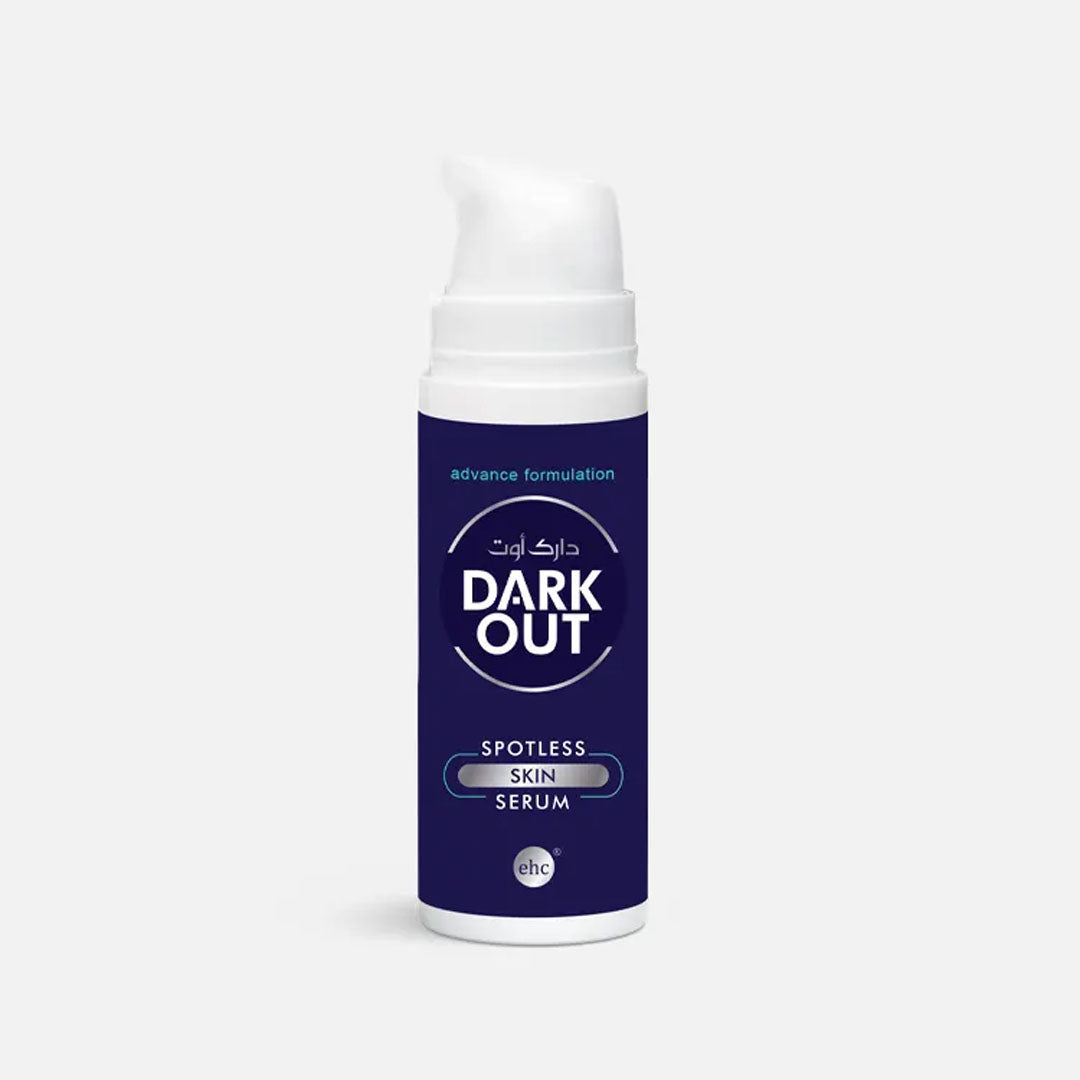
Essentials DarkOut Spotless Skin Serum
If you prefer a serum-based approach, Essentials DarkOut Spotless Skin Serum is another option for concerns such as uneven skin tone, melasma, brown spots and hyperpigmentation.
Its key ingredients include glutathione, alpha arbutin, vitamin C and niacinamide.
According to Essentials' product instructions, the serum can be used after cleansing and toning in the morning and evening, with sunscreen completing the daytime routine.
Shop DarkOut Spotless Skin Serum →What If You're Still Getting Acne?
If new breakouts keep appearing, only focusing on the marks left behind won't address the complete concern.
A routine for acne-prone skin may therefore need to focus on managing active breakouts while also taking steps to reduce the likelihood of additional post-acne marks developing.
Essentials Acure Acne Facewash contains salicylic acid and is positioned for acne-prone skin.
Essentials also offers Acure Acne Gel, which is designed for acne and red acne spots.
The goal shouldn't be to use every acne and pigmentation product together. Using too many active products at once can lead to dryness or irritation, so introduce products carefully and follow the individual product directions.

Essentials Acure Acne Facewash
Essentials Acure Acne Facewash contains salicylic acid and is positioned for acne-prone skin.
Essentials also offers Acure Acne Gel, which is designed for acne and red acne spots.
The goal shouldn't be to use every acne and pigmentation product together. Using too many active products at once can lead to dryness or irritation, so introduce products carefully and follow the individual product directions.
Shop Acure Acne Facewash →Don't Skip Sunscreen
Whether you're dealing with melasma, dark spots or post-acne pigmentation, sun protection deserves a permanent place in your routine.
Sun exposure can make existing pigmentation more noticeable, and melasma in particular commonly becomes more visible following sun exposure.
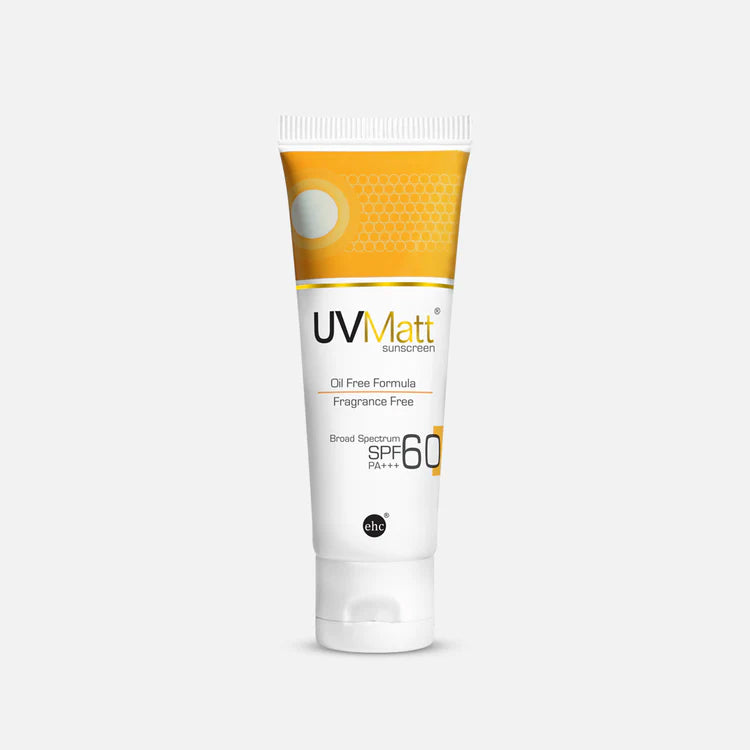
Essentials UV Matt SPF 60
Essentials UV Matt SPF 60 can be incorporated into a daytime pigmentation-focused routine. Essentials recommends applying White Balance Cream first and following it with UV Matt SPF 60 during the day.
Sunscreen should also be reapplied as directed, particularly after swimming, excessive sweating or prolonged outdoor exposure.
Explore Essentials Sun Protection →A Simple Routine for Pigmentation
You don't necessarily need a long skincare routine.
Morning
- Cleanse your skin gently.
- Apply your chosen pigmentation-focused product.
- Moisturise if needed.
- Apply a broad-spectrum sunscreen.
Evening
- Cleanse your skin.
- Apply your chosen treatment product according to its instructions.
- Follow with a suitable moisturiser if your skin needs additional hydration.
If you're experiencing active acne as well as pigmentation, choose products according to your primary concern and avoid introducing several strong active ingredients at the same time.
How Long Do Acne Marks and Pigmentation Take to Fade?
There isn't one timeline that applies to everyone.
The appearance of pigmentation can depend on its cause, depth, your skin type, sun exposure and the products being used. Melasma can also be persistent and may require professional treatment in addition to an at-home skincare routine.
The key is consistency.
Frequently changing products or expecting dark marks to disappear in a few days can lead to over-treating the skin. A simple routine that you can follow consistently is often more useful than continuously adding new products.
When Should You See a Dermatologist?
Not every dark patch should automatically be treated as pigmentation.
Consider consulting a dermatologist if:
- You're unsure whether the discoloration is melasma or another skin condition.
- Pigmentation appears suddenly or changes noticeably.
- A spot becomes painful, itchy or bleeds.
- Your acne continues to worsen.
- You're developing significant acne scarring.
- Your pigmentation isn't improving despite a consistent routine.
A dermatologist can properly examine your skin and determine whether you're dealing with melasma, post-inflammatory pigmentation or another condition.
Frequently Asked Questions
Does this concern have to be melasma?
Pigmentation isn't always easy to identify by appearance alone. If a spot changes unexpectedly, becomes painful, bleeds, looks unusual or you simply aren't sure what it is, speak to a dermatologist instead of trying to diagnose it yourself.
How can I recognise melasma?
Melasma may be more likely if the pigmentation appears in larger patches, similar patches appear on both sides of your face, it commonly affects your cheeks, forehead, upper lip, nose or chin, it becomes more noticeable after sun exposure, or there wasn't necessarily a pimple or injury in that exact area beforehand.
What are acne marks?
If a pimple disappears but leaves a flat brown, grey, red or pink mark behind, you may be looking at a post-acne mark.
Do I need sunscreen for pigmentation?
Whether you're dealing with melasma, dark spots or post-acne pigmentation, sun protection deserves a permanent place in your routine.
How long does pigmentation take to fade?
There isn't one timeline that applies to everyone. The appearance of pigmentation can depend on its cause, depth, your skin type, sun exposure and the products being used.
When should I see a dermatologist?
Consider consulting a dermatologist if you're unsure whether the discoloration is melasma or another skin condition, pigmentation appears suddenly or changes noticeably, a spot becomes painful, itchy or bleeds, your acne continues to worsen, you're developing significant acne scarring, or your pigmentation isn't improving despite a consistent routine.
The Bottom Line
Melasma, dark spots and post-acne marks can look similar, but they aren't necessarily the same thing.
Melasma
Melasma commonly appears as larger, often symmetrical patches on the face.
Dark spots
Dark spots is a broader term for areas of increased pigmentation that can develop for several reasons.
Post-acne marks
Post-acne marks usually appear where an inflamed breakout previously occurred and are generally flat, unlike true acne scars.
Understanding the difference can help you choose a more targeted routine rather than treating every dark mark in the same way.
For pigmentation-focused skincare, Essentials offers products such as White Balance Cream, DarkOut Spotless Skin Serum and UV Matt SPF 60.
If active acne is contributing to new marks, products such as Acure Acne Facewash can also be considered as part of an acne-focused routine.
Keep Your Pigmentation Routine Consistent
Most importantly, keep the routine consistent, protect your skin from the sun and seek professional advice when you're unsure about the type or cause of pigmentation.
Explore Essentials Skincare